






Home remodeling has always required planning, imagination, and trust. For years, homeowners relied on sketches, material samples, and verbal explanations. These were the only ways to understand what a finished space might look like. Today, that process is changing. Advanced tools like augmented reality, virtual reality, and digital visualizers are transforming how remodeling projects are designed and experienced.
These technologies make it easier to see, adjust, and refine ideas before construction begins. Homeowners can now explore designs in a realistic and interactive way. As a result, remodeling is becoming more efficient, collaborative, and predictable.
How is technology like AR/VR used in home remodeling?
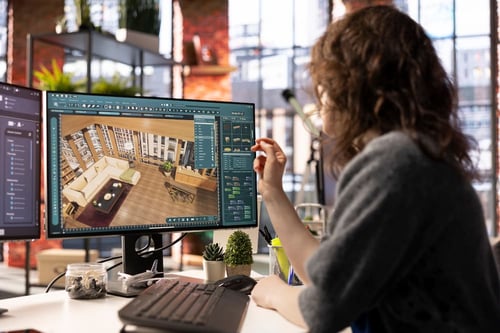 Technology like AR and VR helps homeowners visualize and refine their remodeling plans. All of this happens before any physical work begins. These tools serve several distinct purposes across the planning and design process.
1. Visualizing rooms and layouts before construction starts
One of the biggest advantages is the ability to preview a finished design. This is possible before a single wall is touched. There are two main ways this kind of visualization works in practice.
How augmented reality overlays work in remodeling
Augmented reality lets homeowners use a phone or tablet to layer new design elements onto their existing space. This approach works well for quick, accessible previews. It is useful for:
- Placing virtual furniture or fixtures in a real room
- Testing how new flooring or cabinets will look in context
- Getting a rough sense of scale without any technical setup
How virtual reality walkthroughs help homeowners plan
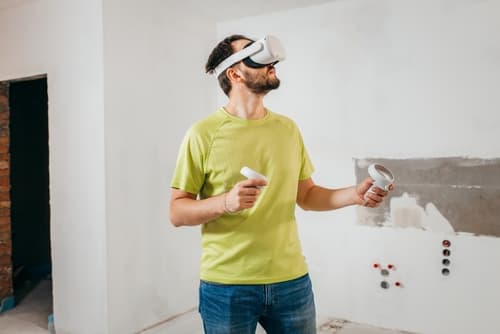
Virtual reality goes a step further. It creates a fully immersive environment where users can walk through a redesigned room. This helps homeowners understand scale, layout, and flow. Flat plans simply cannot offer that. It reduces uncertainty and supports better decision-making early in the process.
2. Improving communication between homeowners, contractors, and designers
Miscommunication is one of the most common challenges in remodeling. What a homeowner imagines may not match what a contractor builds. That gap can lead to costly corrections down the line, not to mention disappointing final outcomes. Visualization tools help close it in a few key ways.
Using shared digital models to align on design decisions
Both parties can review the same digital model. Adjustments can be made in real time. The practical benefits of this include:
- Fewer misunderstandings about layout and finishes
- Faster sign-off on design decisions
- A clearer record of what was agreed upon before work begins
Making real-time design adjustments before construction begins
Changes can be made on the spot during a design review. This cuts down the back-and-forth that often slows projects down. Everyone stays aligned before construction begins, making for a smoother overall experience.
3. Testing materials, colors, and layout options before committing
Choosing materials and finishes can be overwhelming. Flooring, cabinets, paint colors, and lighting all interact with each other. These interactions are difficult to predict without seeing them together. Visualizer tools bring much-needed clarity to this part of the process.
Materials and finishes that homeowners can test with visualizer tools
The range of options that can be explored digitally is broad. Most tools allow users to experiment with:
- Flooring types and wood tones
- Cabinet styles and hardware finishes
- Paint colors across different lighting conditions
- Countertop materials paired with backsplash options
Why side-by-side comparison leads to better finish selections
Comparing options next to each other makes a real difference. Switching between paint chips and catalogue photos is no longer necessary. That flexibility makes it much easier to settle on finishes with genuine confidence.
4. Using early visualization to support accurate planning and budgeting
Early visualization helps identify potential issues before they become expensive. Catching a layout problem on a screen is far less costly than discovering it mid-construction.
Common layout and space planning problems that visualization can reveal
A floor plan that looks clean on paper may feel cramped in a virtual walkthrough. Common issues that visualization can reveal include:
- Doorways or traffic paths that feel too narrow
- Furniture arrangements that don't work at the actual scale
- Awkward transitions between rooms or zones
How identifying problems early helps control remodeling costs
When problems are identified early, adjustments can happen before construction starts. This leads to more accurate planning. It also means better control over the overall project budget.
What types of visualizer tools are commonly used in home remodeling?
 There are several types of tools used in modern remodeling. Each one offers different levels of detail and functionality. Understanding what each does helps homeowners and professionals choose the right approach.
1. 3D design software for detailed remodeling plans
3D modeling tools are typically used by designers and contractors. They build detailed representations of a space with accurate measurements. These models can be updated as the project evolves. They are especially valuable for:
- Large-scale renovations where precision is critical
- Projects involving structural changes or additions
- Presenting detailed plans to clients before work begins
This type of software generally requires professional training. That is why it tends to stay in the hands of contractors and designers rather than homeowners.
2. Augmented reality apps for accessible home design previews
AR tools tend to be more accessible than full 3D software. Many apps let homeowners point their device at a room and place virtual furniture or fixtures within the space. The key advantages include:
- No technical background required
- Fast setup and immediate visual feedback
- Easy to use during early, informal planning stages
These tools are a good starting point for homeowners who want to explore ideas on their own.
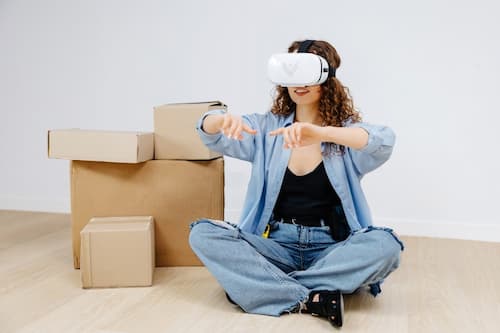
3. Virtual reality walkthroughs for immersive space planning
VR offers the most immersive experience of all. Users can explore a space as if it were already built. This is useful for complex projects where understanding the full layout matters. Walking through a virtual room helps homeowners notice details that a static design might miss. This includes how spaces connect, where natural light falls, and how the overall flow actually feels.
Are there any drawbacks to relying on tech for remodeling plans?
 These tools offer significant benefits. They do come with limitations worth understanding. Knowing where the technology falls short helps homeowners use it more realistically.
1. Why digital renderings do not always reflect real-world results
Digital renderings are designed to look realistic. They cannot fully replicate real-world conditions. The most common gaps between a digital preview and the finished result include:
- Lighting that looks different at various times of day
- Textures and finishes that read differently on screen versus in person
- Color tones that shift depending on the surrounding environment
Visualizations are best treated as a helpful guide rather than a precise guarantee.
2. How polished designs can create a false sense of project certainty
A polished digital version of a space can make it feel complete. Important details may not have been fully worked out yet. Several real-world factors can still affect the final result, including:
- Structural limitations that only become clear during construction
- Product availability and lead times for specific materials
- Installation challenges that are difficult to anticipate in advance
Reviewing designs with a professional remains an important step. No matter how detailed the visualization looks, this should not be skipped.
3. Why some remodeling visualization tools require professional expertise
Certain advanced platforms take time and training to use effectively. Getting accurate results often still means working with someone who knows the software well. A general breakdown of accessibility looks like this:
- Basic AR apps: accessible to most homeowners with a minimal learning curve
- Mid-level 3D tools: may require some guidance or onboarding
- Professional design software: typically requires dedicated training and experience
4. Why remodeling technology cannot replace skilled experts and designers
Even the most sophisticated tools cannot substitute for the experience of a skilled expert or designer. Technology can support the planning process. It cannot account for every variable that comes up in real construction. The quality of a finished project still depends on proper execution, good materials, and experienced, knowledgeable people on the job.
If you’re just getting started, you may also want to explore the best home design apps and tools available today, take a closer look at the key features of Kitchen Magic’s visualizer and how they support planning, and understand why a virtual design is only the beginning when it comes to turning your ideas into a finished space.
Who can help bring my kitchen design to life?
Kitchen Magic brings nearly 5 decades of experience helping homeowners turn digital ideas into beautifully finished kitchens. Our team works closely with you to refine your design, select the right materials, and ensure every detail translates seamlessly from screen to reality. With a combination of modern visualization tools and hands-on expertise, we help you move forward with clarity and confidence. Reach out to us today and take the next step toward a kitchen that looks just as good in your home as it does in your design.